

Views: 0 Author: Site Editor Publish Time: 2026-10-27 Origin: Site


Wind-induced vibration can affect the structural performance and long-term reliability of utility-scale solar tracking systems. Flexible tracker structures, large-format PV modules, site wind conditions, and control strategies can all influence dynamic behavior. If these factors are not properly evaluated, repeated vibration may increase component fatigue, loosen connections, or contribute to structural damage.
Reducing solar tracker wind vibration requires a coordinated approach. Engineers should assess the structural design, damping components, wind stow strategy, and site conditions together. For project developers and EPC contractors, the goal is to select a tracking system with verified wind performance and a practical maintenance plan.
Table of Contents
Wind creates pressure differences across solar modules and applies forces to the tracker structure. When the aerodynamic forces interact with structural flexibility, the torque tube and supporting components may twist or oscillate.
In some conditions, this interaction can become self-reinforcing. Structural movement changes the modules' orientation to the airflow, which may increase the aerodynamic forces and cause further movement. This type of coupled response is associated with aeroelastic instability.
The actual risk depends on module dimensions, tracker geometry, structural stiffness, support spacing, wind direction, and wind speed. Engineers should evaluate the complete tracker configuration rather than relying on module power ratings alone.
Wind flowing around structural elements can create alternating vortices. These vortices may generate fluctuating forces on the tracker. If the frequency of these forces approaches a natural frequency of the structure, vibration may become more pronounced.
Repeated oscillation can contribute to fatigue in torque tubes, joints, fasteners, bearings, and other load-bearing components. The likelihood and severity of resonance depend on the system's structural properties and exposure to wind.
Engineering analysis and suitable testing can help identify potential vibration risks before installation or during a retrofit assessment.
Trackers near the perimeter of a solar plant may experience different wind conditions from those in the interior. Upwind rows can change the airflow reaching downstream rows, creating wake effects and turbulence.
However, interior rows are not automatically protected from damaging loads. Terrain, row spacing, wind direction, array layout, and the tracker stow position all influence the resulting aerodynamic behavior.
For this reason, wind risk assessments should consider the site layout and relevant wind directions rather than assuming that every row experiences the same loads.
Structural measures can improve stiffness, manage vibration, or reduce the loads transferred to critical components. The appropriate solution depends on the tracker design and the source of the observed vibration.
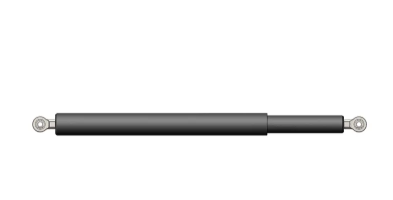
Damping devices can dissipate part of the energy associated with structural motion. Depending on their design and installation, they may help reduce vibration amplitudes and improve dynamic response.
Different damping technologies are not interchangeable. A hydraulic damper, a viscoelastic damper, and a tuned mass damper operate differently and require appropriate engineering evaluation.
When considering a retrofit, engineers should confirm:
Whether the device is compatible with the tracker structure.
Whether its performance has been validated for the intended application.
Where it should be installed and how its loads transfer into the structure.
What inspection and replacement requirements apply.
Whether installation affects the manufacturer's warranty.
Powernice provides solar tracking bracket dampers for solar tracking applications. Product selection should be based on the system design and the manufacturer's technical guidance.
The torque tube transfers rotational movement along the tracker row. Its cross-section, material properties, wall thickness, span, and connection design influence structural stiffness and dynamic response.
Increasing tube stiffness may be one option, but it should not be treated as a standalone solution. Changes to the tube can affect weight, bearing loads, drive requirements, foundation forces, and overall system dynamics.
Before modifying an existing structure, engineers should review:
Torque tube dimensions and material specifications.
Support spacing and connection details.
Bearing and drive-system capacity.
Structural deflection and fatigue calculations.
Compatibility with the installed PV modules.
Any structural changes should be supported by engineering calculations and approved by the responsible system designer or manufacturer.
Foundation movement or loose connections can affect tracker alignment and structural performance. Wind-related inspections should include pile movement, visible deformation, corrosion, loose fasteners, and signs of settlement.
The required foundation design depends on soil conditions, embedment, loading, and project-specific geotechnical data. Deeper piles or additional reinforcement should not be prescribed without evaluating these factors.
If inspections reveal unexpected movement, a qualified structural or geotechnical engineer should determine the cause and specify suitable corrective action.
Structural measures should work alongside an appropriate wind stow strategy. A tracker controller may reposition the modules when wind conditions reach a predefined threshold, but the effectiveness of this response depends on system design, sensor inputs, communications, and actuator performance.
There is no single stow angle that is safest for every solar tracker. A horizontal position may be suitable for one design but less suitable for another under particular wind conditions.
Likewise, a steep stow angle should not be assumed to eliminate flutter or guarantee protection. The correct position depends on the tracker's aerodynamic behavior, structural configuration, site exposure, and manufacturer validation.
Project teams should request documentation explaining how the selected stow strategy was evaluated. Relevant factors include wind direction, gust conditions, tracker row location, module configuration, and the operating limits defined by the manufacturer.
Wind sensors provide information that may trigger protective movement. Their location, measurement quality, maintenance condition, and integration with the controller can affect the reliability of the response.
The control system should be evaluated for:
Sensor placement and coverage across the site.
Wind measurement and alarm thresholds.
Communication reliability during severe weather.
Time required to issue and complete a stow command.
Behavior during power loss, sensor failure, or communication interruption.
Alarm reporting and event logging.
The design should also define what happens when a sensor or controller becomes unavailable. Backup power may be appropriate for some systems, but the required configuration depends on the equipment and its safety strategy.
Powernice explains wind protection and controller functions in its guide to solar tracker safety under extreme environmental conditions.
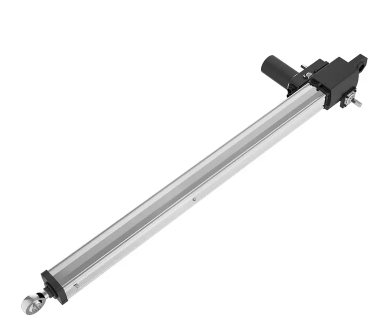
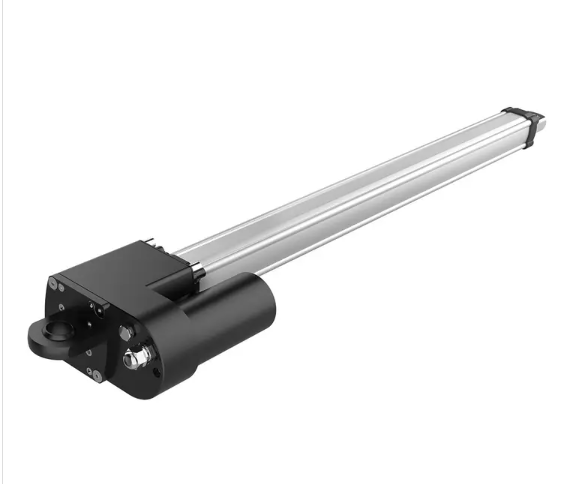
Actuators move the tracker structure in response to control commands. Their thrust capacity, stroke, operating environment, mounting arrangement, and duty requirements should match the application.
A system's ability to reach its intended stow position depends on more than the controller alone. The actuator, mechanical linkage, power supply, sensors, and control logic must work together.
When evaluating a solution, review the relevant Powernice solar tracker linear actuator products and confirm compatibility with the complete tracker design.
EPC contractors, developers, and asset owners should look beyond general wind ratings when comparing tracker systems. The goal is to understand how the complete structure performs under the wind conditions expected at the project site.
Ask manufacturers to provide the applicable structural calculations and wind-test documentation for the proposed configuration. Where dynamic aerodynamic behavior is a concern, ask whether aeroelastic testing or other suitable dynamic analysis has been conducted.
Confirm that the evaluation reflects the intended module dimensions, tracker geometry, support spacing, stow positions, and relevant site conditions. Rigid-model pressure testing and aeroelastic testing provide different types of information; neither should be described as a universal substitute for all other engineering checks.
Read wind ratings carefully and confirm what each value represents. Gust speed, sustained wind speed, test conditions, and design loads are not interchangeable.
Review warranty requirements for approved modules, installation methods, stow settings, maintenance, and storm-related damage. Ask how the manufacturer handles failures associated with power interruptions, sensor faults, or a tracker that cannot reach its commanded position.
Written clarification can help prevent misunderstandings between the tracker supplier, EPC contractor, and asset owner.
Additional reinforcement or damping may increase initial project costs. Conservative stow settings can also affect energy production if trackers spend more time in a protective position.
The correct balance should be based on engineering analysis, site wind data, expected operating conditions, and lifecycle costs. Neither stronger hardware nor more frequent stowing should be selected without evaluating the full system.
Existing solar plants may need further investigation if inspections reveal repeated vibration, abnormal noise, loose fasteners, deformation, or unexpected tracker misalignment.
A practical retrofit process includes:
Record the affected rows, operating positions, and observed wind conditions.
Inspect torque tubes, connections, bearings, foundations, actuators, and damping devices.
Review controller logs, sensor readings, and stow events where available.
Obtain a technical assessment from the manufacturer or a qualified engineer.
Test approved modifications and update maintenance procedures.
Do not install dampers, change structural members, or modify stow logic without confirming compatibility and obtaining the necessary engineering approval.
Maintenance plans should follow manufacturer instructions and consider site exposure. Inspections may include fasteners, corrosion, damper condition, actuator mounting points, sensors, foundations, and signs of fatigue or deformation. Findings should be documented so that developing problems can be compared over time.
Reducing wind-induced vibration in solar tracking systems requires a coordinated approach to structural design, damping, wind stow control, and maintenance. No single damper, tube dimension, or stow angle can guarantee protection under every wind condition.
Project teams should evaluate the complete tracker configuration, request relevant wind-engineering evidence, confirm controller and actuator compatibility, and establish clear inspection procedures. For existing installations, investigate the cause of vibration before selecting a retrofit.
Wind pressure, vortex shedding, structural flexibility, and interactions between airflow and tracker movement can cause vibration. The severity depends on the tracker design and site conditions.
Possible measures include validated damping devices, appropriate structural stiffness, secure connections, suitable foundation design, and a wind stow strategy validated for the specific tracker.
No. The appropriate stow position depends on the tracker design, wind conditions, module configuration, and manufacturer testing. A universal angle should not be assumed.
Wind-test documentation helps engineers assess structural loads and dynamic response under relevant conditions. The type of testing should match the design risks and project requirements.
Potentially. A retrofit may involve damping devices, structural repairs, or approved control updates. The cause of vibration and compatibility of the proposed changes should be assessed first.
